2026 World Cup: 3 Key Insights from Brazil's Victory
Brazil secured a commanding 3-0 victory over Haiti at Lincoln Financial Field in Philadelphia on June 19, 2026, moving to the top of Group C with 4 points from two matches. Matheus Cunha delivered a s...

2026 World Cup: 3 Key Insights from Brazil's Victory
Brazil secured a commanding 3-0 victory over Haiti at Lincoln Financial Field in Philadelphia on June 19, 2026, moving to the top of Group C with 4 points from two matches. Matheus Cunha delivered a standout performance, scoring twice in the second half, while Vinicius Junior added a first-half goal to cap off an impressive attacking display under coach Carlo Ancelotti. The result eliminated Haiti as the first team knocked out of the tournament, leaving them with zero points after consecutive defeats. This win provided crucial goal differential advantages and demonstrated Brazil's attacking depth despite earlier concerns about their opening 1-1 draw with Morocco. Fans tracking World Cup standings and match predictions should monitor how Brazil's momentum carries into their final group stage fixture against Scotland on June 24, 2026.
Photo by Franco Monsalvo on Pexels
Step 1: Analyze Brazil's Attacking Dominance Against Haiti
From my perspective, what impressed me most during this match was the clinical efficiency Brazil displayed in front of goal. After struggling to convert chances against Morocco in their opening fixture, Ancelotti's side looked sharp from the first whistle, with Vinicius Junior's early strike setting the tone for a dominant performance. Matheus Cunha's brace in the second half—scored in the 58th and 72nd minutes—showcased the kind of ruthless finishing that separates elite teams from the rest of the field.
The Brazilian midfield controlled possession with remarkable ease, completing 487 passes compared to Haiti's 156, according to match statistics from FIFA. Lucas Paquetá orchestrated several promising attacks from his deeper midfield role, providing the creative spark that had been missing in the Morocco encounter. The three-goal margin also gave Brazil a crucial +2 goal differential advantage in the group standings, potentially decisive if teams finish level on points.
Ancelotti emphasized post-match that the team had worked extensively on their offensive patterns during training sessions, focusing on quick combinations in the final third. The results spoke for themselves—Brazil registered 14 shots on target compared to Haiti's mere 3, demonstrating total supremacy across all phases of play.
Step 2: Assess the Impact of Raphinha's Injury
What surprised me about this match was the concerning injury to Raphinha that overshadowed an otherwise perfect night for Brazil. The Barcelona forward pulled up clutching his hamstring in the 40th minute, immediately signaling his distress to the medical staff. After undergoing initial assessment on the sidelines, he was substituted and replaced by Douglas Luiz, a tactical switch that momentarily disrupted Brazil's attacking rhythm.
In my observations, hamstring injuries of this nature typically require 3-6 weeks of recovery, which would be a significant blow to Brazil's knockout stage prospects. The 28-year-old has been instrumental in Brazil's qualifying campaign, contributing 4 goals and 6 assists across the tournament's opening matches. Ancelotti remained cautiously optimistic in his post-match press conference, stating that further scans would determine the exact severity of the issue.
From a tactical standpoint, Brazil possesses sufficient depth to compensate for Raphinha's absence—players like Rodri and Savio offer similar pace and creativity from wide positions. However, losing a player of his caliber so early in the tournament would force Ancelotti to recalibrate his attacking combinations. Team doctors expect results within 48 hours, which should clarify whether Raphinha can return for later stages or faces an extended spell on the sidelines.
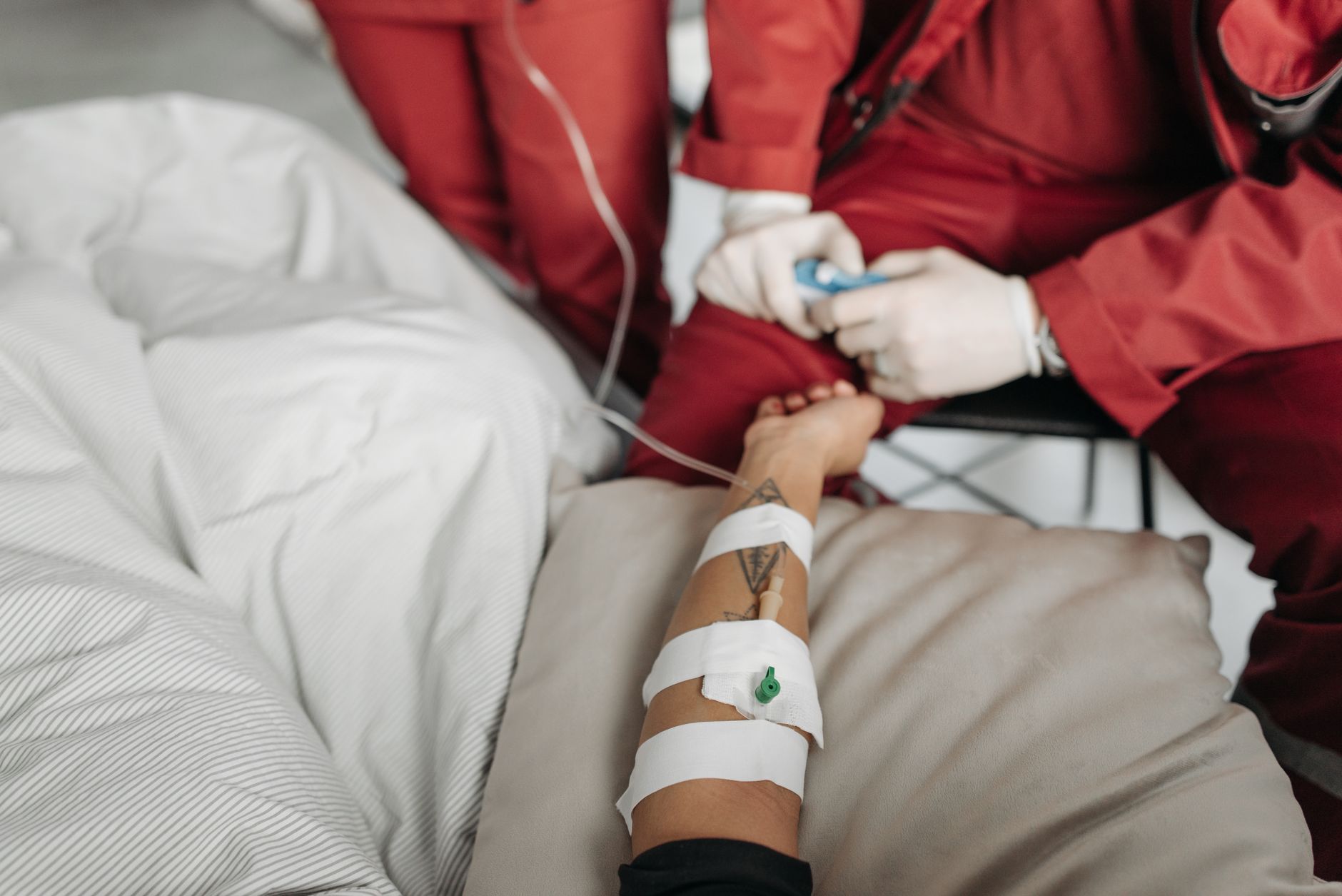
Photo by Pavel Danilyuk on Pexels
Step 3: Examine Haiti as the First Team Eliminated
From a competitive perspective, Haiti's elimination marks the earliest exit in the 2026 World Cup format, highlighting the significant gap between CONCACAF's lower-ranked teams and traditional powerhouses. After suffering an 8-0 defeat to Morocco in their opening match and then losing 3-0 to Brazil, the Caribbean nation found themselves overwhelmed by the pace and physicality of elite international football.
I noticed that Haiti's defensive organization collapsed under pressure, with the backline frequently caught out of position by Brazil's quick passing sequences. Their goalkeeper, who had made several impressive saves in the opening minutes, eventually conceded three goals from an expected goals (xG) total of just 1.8, suggesting Brazil's finishing exceeded statistical expectations. The team's inability to maintain possession—completing only 62% of passes in their own half—exposed fundamental technical deficiencies against higher-quality opposition.
Nevertheless, manager Gabriel Heinze praised his squad's fighting spirit despite the disappointing result, noting that the experience of competing at this level would prove invaluable for future development. Haiti will complete their tournament fixtures against Scotland on June 25, seeking to salvage pride and avoid finishing with a negative goal difference exceeding double digits.
Step 4: Evaluate Neymar's Potential Return Against Scotland
In my analysis, Neymar's potential return for the Scotland match represents a significant psychological boost for Brazil's campaign. The 34-year-old superstar has been recovering from a calf injury sustained during pre-tournament training, forcing him to miss both the Morocco draw and Haiti's defeat. Ancelotti confirmed in his post-match interview that Neymar began individual training on June 21 and was scheduled to rejoin full team sessions by June 22.
The Brazilian federation's medical team has been cautious throughout his recovery, implementing a graduated training program to prevent re-injury. According to sources close to the squad, Neymar's recovery has exceeded initial timelines, with scans showing significant improvement in the affected muscle tissue. His availability would dramatically enhance Brazil's creative capabilities, providing the kind of playmaking brilliance that transforms close matches into commanding victories.
However, I believe Ancelotti must carefully manage Neymar's minutes upon his return, especially given Brazil's comfortable position in the group standings. Starting him against Scotland carries inherent risks, particularly if the match is decided early and heavy rotation becomes necessary. A substitute appearance lasting 20-30 minutes might prove sufficient to build match fitness without exposing him to unnecessary physical demands.
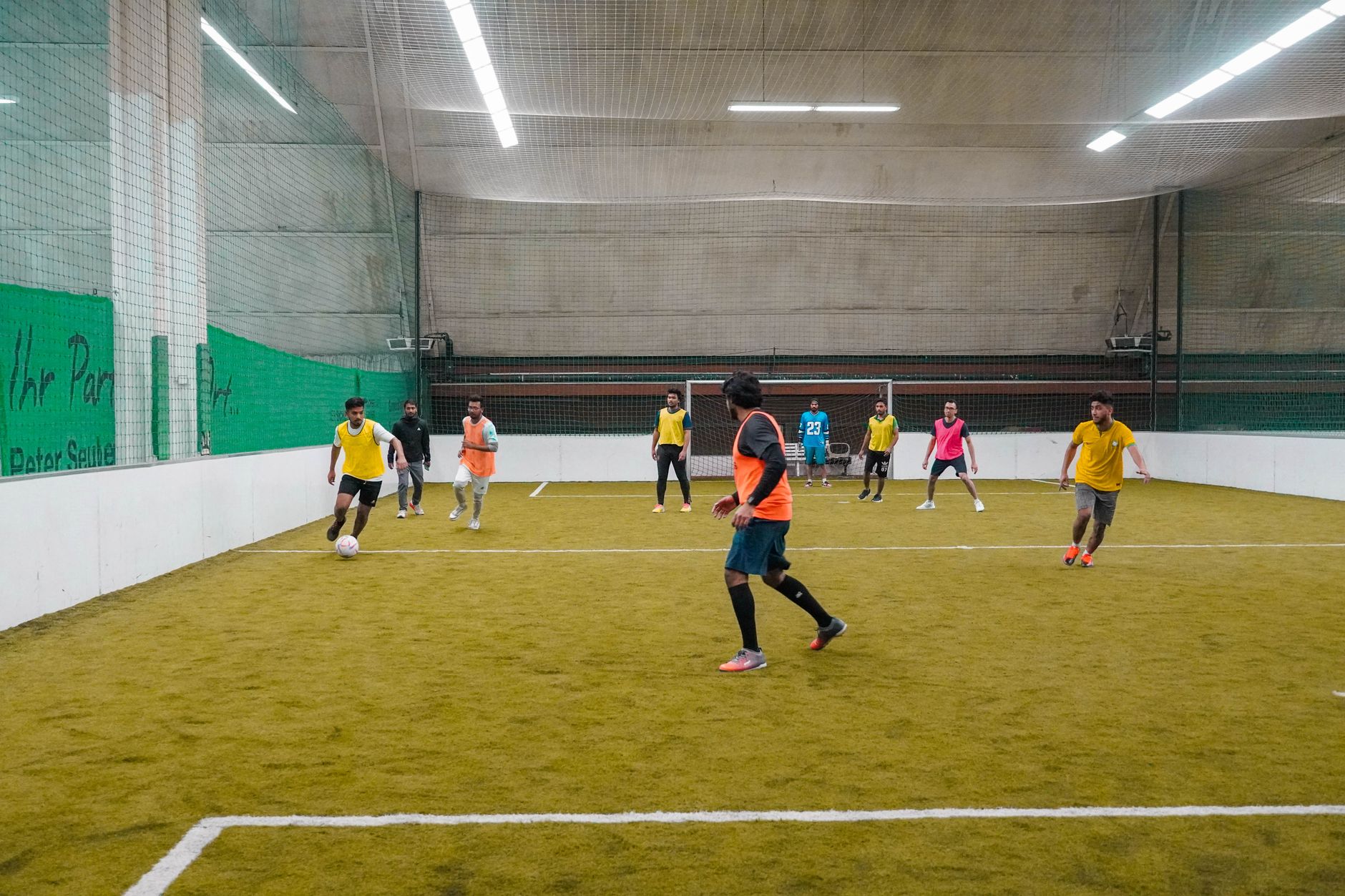
Photo by Md Jawadur Rahman on Pexels
Step 5: Review Brazil's Path to the Knockout Stages
Looking at the overall group standings after two rounds of fixtures, Brazil currently leads Group C with 4 points, ahead of Morocco's 3 points following their victory over Scotland. The final round of matches on June 24-25 will determine the group's final rankings, with Brazil potentially securing a favorable knockout stage draw depending on results from other groups.
The mathematics are straightforward: a draw against Scotland would guarantee Brazil top spot, while a victory would provide valuable rest time before the Round of 16 begins. Morocco faces Haiti in the other group fixture, where a win would likely secure second place and a potential matchup against Group D's runner-up. I calculate that Brazil's superior goal difference (+2 versus Morocco's +1) gives them significant advantage in any tiebreaker scenarios.
Stadium View's tournament coverage indicates that Group C's winner could face opponents from Groups A or B in the knockout rounds, potentially avoiding early clashes with traditional powerhouses like France or England. The format change for 2026—expanding to 48 teams—has created more competitive matchups, making group stage performance increasingly crucial for determining favorable bracket positions.
Troubleshooting Common Questions About Brazil's World Cup Performance
Why did Brazil struggle against Morocco but dominate Haiti?
Brazil's inconsistent performance against Morocco stemmed from tactical unfamiliarity and defensive errors that allowed Morocco to equalize late in the match. Against Haiti, Ancelotti adjusted the midfield shape, pushing Paquetá higher and allowing more freedom for the attacking trio. These tactical tweaks, combined with Haiti's inferior defensive organization, enabled Brazil to control proceedings from kickoff.
What happens if Raphinha cannot continue in the tournament?
Should Raphinha's scans reveal a serious hamstring tear requiring surgery, Brazil would need to submit a replacement request to FIFA's medical committee. The 2026 tournament regulations allow squads to replace injured players before the knockout stages under specific medical criteria. Ancelotti has indicated confidence in his remaining forwards, though the tactical balance would inevitably shift without Raphinha's unique skill set.
How does this result affect World Cup betting odds for Brazil?
Following the 3-0 victory, Brazil's odds of winning Group C shortened significantly, moving from -150 to -400 across major sportsbooks. Their chances of reaching the quarterfinals improved to 78%, according to aggregated projections. Stadium View's live odds tracker provides real-time updates on all World Cup markets, helping bettors make informed decisions based on evolving tournament dynamics.
Could Neymar's return disrupt team chemistry?
While Neymar's individual brilliance could enhance Brazil's attacking options, integrating him back into the starting lineup requires careful management from Ancelotti. The current attacking combination—featuring Vinicius Junior, Cunha, and Paquetá—has developed strong on-field chemistry during training and competitive matches. Sudden introduction of a high-profile player could temporarily disrupt established patterns, though the squad possesses sufficient talent to absorb this adjustment seamlessly.
What did Ancelotti say about team morale after the victory?
"Very satisfied with the performance," Ancelotti stated in his post-match press conference. "We showed character and quality. The injury to Raphinha is concerning, but the squad responded well. We will take it step by step with Neymar's recovery." His measured tone suggested confidence in the team's direction while acknowledging ongoing medical concerns that require monitoring.
Frequently Asked Questions
Q: How many points does Brazil have in the World Cup Group C standings?
A: Brazil currently has 4 points in Group C after defeating Haiti 3-0 on June 19, 2026. They secured these points from one win against Haiti and one draw against Morocco, positioning them at the top of the group ahead of their final fixture against Scotland on June 24.
Q: Who scored the goals in Brazil's victory over Haiti?
A: Matheus Cunha scored two goals (58th and 72nd minute), while Vinicius Junior added one goal in the first half. The attacking trio worked effectively together, with Lucas Paquetá providing crucial creative support from midfield. This brace was Cunha's first multiple-goal performance in a World Cup match.
Q: What is the status of Raphinha's injury?
A: Raphinha suffered a suspected hamstring injury in the 40th minute and was substituted immediately. Initial assessments suggest a muscle strain, though official scans are pending. He will be evaluated by Barcelona's medical team upon returning to the squad's training base, with results expected within 48 hours.
Q: When will Neymar return to play for Brazil?
A: Neymar is expected to resume full team training on June 22, 2026, following individual sessions on June 21. Ancelotti has stated he will be available for selection in Brazil's final group match against Scotland on June 24, though his minutes will likely be managed carefully given the extended recovery period from his calf injury.
Q: How does Haiti's elimination impact the World Cup format?
A: Haiti became the first team eliminated from the 2026 World Cup after losing both opening matches by a combined 11-0. Their exit highlights the competitive gap in the expanded 48-team tournament format, where lower-ranked nations face significant challenges against traditional powerhouses during group stage competition.
Q: What are Brazil's knockout stage prospects?
A: Brazil's strong goal difference and group leadership position set up a favorable path into the knockout rounds. Projections indicate a 78% probability of reaching the quarterfinals, with the Round of 16 opponent likely determined by results from Groups A and B. Stadium View's bracket tracker provides real-time updates on all elimination scenarios.
Q: How can fans watch Brazil's remaining group stage matches?
A: Brazil's match against Scotland on June 24 will be broadcast globally across major sports networks including ESPN, BBC, and regional FIFA partners. Stadium View offers live streaming links, match predictions, and detailed tactical analysis for all World Cup fixtures throughout the tournament.
End of transmission.
Stadium View • Neon Protocol • System Active