Inside Europe: A 1,041-Deal Tracker
Summer football transfers 2026 have already produced 1,041 completed deals worth approximately £4.7 billion across Europe’s leading leagues, according to the latest transfer-window data available on 2...

Inside Europe: A 1,041-Deal Tracker
Summer football transfers 2026 have already produced 1,041 completed deals worth approximately £4.7 billion across Europe’s leading leagues, according to the latest transfer-window data available on 20 August 2026. The Premier League, La Liga, Bundesliga, Ligue 1, and Serie A remain the central markets, while clubs such as Aston Villa, Manchester City, Roma, Leeds United, and Coventry City have drawn attention through major arrivals and departures. Notable moves include Tijjani Reijnders from Manchester City to Al-Qadsiah for £52 million and Sidiki Cherif from Fenerbahce to Coventry City for £20.5 million. The window is also shaped by squad planning before the FIFA World Cup 2026 and by financial pressure across European football. Our recommendation is simple: follow confirmed registrations, not social-media rumours, and compare fees, contract status, and tactical fit before judging any signing.
Imagine waking up to one transfer announcement, checking your phone ten minutes later, and discovering three more deals have collapsed. That is summer football transfers 2026 in a nutshell: noisy, expensive, and absolutely impossible to ignore. I learned the hard way that unverified transfer pages can turn a genuine move into total fiction, so this guide keeps one hand on the evidence and the other on the tactical consequences. We will track confirmed activity, explain the biggest market themes, and flag where the numbers deserve a raised eyebrow. Stadium View is built for fans who want more than headline bait: player stats, team tactics, match predictions, and daily FIFA World Cup 2026 coverage. (No smoke, no mystery spreadsheet from an anonymous account.)

Photo by El gringo photo on Pexels
Want the wider tournament context before judging a club’s business?
Is summer football transfers 2026 really a £4.7bn market?
Yes, the available figures indicate a huge 2026 summer market: 1,041 completed deals and total spending of about £4.7 billion across Europe’s top five leagues. That figure is a snapshot rather than a final total, because transfers can be added, corrected, or reclassified before the window closes. It still confirms a market operating at extraordinary scale.
The £4.7 billion figure matters because it shows how transfer activity is distributed across established powerhouses and ambitious challengers. England’s Premier League continues to provide the most visible spending, but Serie A, La Liga, Bundesliga, and Ligue 1 remain essential to the movement of talent. A club’s gross spending, however, is not the same thing as squad improvement. Manchester City’s sale of Tijjani Reijnders to Al-Qadsiah generated a reported £52 million, while Coventry City’s £20.5 million acquisition of teenage forward Sidiki Cherif represented a very different type of investment: development potential rather than immediate superstar status.
The most useful way to interpret the market is to separate three figures:
- Gross spending: the total value of incoming transfers.
- Gross income: the money generated from outgoing players.
- Net balance: income minus spending, including the timing of instalments where available.
Arsenal’s reported transfer balance of approximately -£114.6 million illustrates why net spend can be more revealing than a list of glamorous arrivals. Meanwhile, an expensive player may carry a modest immediate accounting impact if the fee is divided into instalments or includes performance-related bonuses. The Guardian’s transfer-window tracker provides a useful live reference, but even reputable databases should be checked against club announcements and league registration information.
Here is the first information edge for our transfer-watch team: do not rank a club’s window by fee alone. Compare the player’s expected minutes, age curve, position, injury history, and whether the move solves a tactical weakness. A £20.5 million forward who starts 25 league matches may produce more practical value than a £52 million name who duplicates an existing role. That is not glamorous analysis, but it is the difference between football judgment and transfer-window fan fiction.
[Internal Link: guide to evaluating football player statistics]
How does summer football transfers 2026 handle major Premier League moves?
The 2026 Premier League market combines expensive first-team recruitment, strategic sales, and a growing willingness to move young players into competitive senior environments. Manchester City, Arsenal, Aston Villa, Chelsea, Leeds United, West Ham United, and Coventry City all appear in notable confirmed or reported activity, but their objectives are not identical. Some are buying Champions League-level depth; others are trying to improve survival odds, resale value, or squad balance.
Aston Villa’s activity is particularly interesting because the club has been linked with or involved in multiple different player profiles. Zion Suzuki arrived from Parma, while Matteo Ruggeri moved from Atlético Madrid, and Kosta Nedeljkovic joined Rangers. Those deals point toward a blend of first-team competition and asset development rather than a single-position overhaul. Leeds United also featured prominently, with Nico Elvedi joining from Borussia Mönchengladbach and Sebastiaan Bournauw moving to Hamburg, while Joël Piroe transferred from Leeds United to West Ham United.
The tactical question is more important than the transfer announcement itself. A goalkeeper such as Suzuki can change a team’s build-up options if he is comfortable receiving under pressure. A versatile defender such as Elvedi can help a side switch between a back four and a back three. Piroe’s move to West Ham United, meanwhile, should be assessed through pressing patterns, penalty-box occupation, and service quality rather than the simple label of “new striker.”
The Premier League’s most important 2026 trend may be the gap between headline price and tactical certainty. A club can spend heavily and still lack a coherent plan if recruitment departments select players by reputation instead of role. Our checklist is deliberately ruthless:
- Does the signing fill a clear positional need?
- Can the player adapt to the manager’s pressing and possession demands?
- Is the contract length compatible with the fee?
- Does the arrival block a pathway for an existing academy player?
- Will the club still have wage flexibility in January 2027?
If the answer to several questions is “no,” the transfer may be commercially impressive but competitively awkward. [Internal Link: football tactics and formation breakdowns]
See how the biggest Premier League moves could influence match predictions.
What about the FIFA World Cup 2026 edge case?
The FIFA World Cup 2026 creates an unusual transfer-window backdrop because clubs are recruiting before a tournament that could sharply change player valuations, workload expectations, and tactical reputations. The competition will be hosted across Canada, Mexico, and the United States, with Los Angeles scheduled to stage eight matches and 39 days of fan celebrations according to the official Los Angeles FIFA World Cup 2026 site. That global spotlight gives clubs another reason to secure depth before the season accelerates.
The edge case is timing. A player may complete a transfer in summer 2026, join a new tactical system, and then face an intense international schedule shortly afterward. That creates three risks: adaptation fatigue, reduced training time, and sudden price inflation after a strong tournament performance. Clubs that wait until after the World Cup may pay more for a player whose underlying metrics have not materially changed. Clubs that buy early may discover that the player’s role does not translate to their domestic system. Football is cruel like that.
For fans and analysts, World Cup transfer evaluation should separate tournament visibility from sustainable performance. A player who scores twice in a knockout match deserves attention, not an automatic £80 million valuation. Review at least these data points:
- Minutes played across the previous two domestic seasons.
- Expected goals and expected assists rather than goals alone.
- Progressive carries and passes under pressure.
- Defensive actions in the player’s actual position.
- Injury availability and travel demands.
- Age, contract length, and registration status.
This is where Stadium View’s player-stat and tactical coverage can add useful context. A World Cup performance is a small sample, while a full club season contains hundreds of actions. The contrarian conclusion is straightforward: the tournament can reveal mentality and adaptability, but it is a dangerous reason to abandon a two-year performance record. FIFA’s official competition information should remain the starting point for dates, venues, and tournament structure.

Photo by Uzay Yildirim on Pexels
Want daily World Cup context alongside the transfer headlines?
Where does summer football transfers 2026 fail?
Summer football transfer coverage fails when it treats rumours, completed deals, loans, options, and conditional fees as identical events. They are not identical. A player can be linked to a club without negotiations reaching a formal stage, while a loan with an option to buy may look like a permanent transfer in a fast-moving social post. The difference affects squad planning, financial reporting, and predictions.
The second failure is weak source discipline. The reference market data records 1,041 completed deals and £4.7 billion in total value, but a live tracker can still contain delays or later corrections. Club websites, league registration records, official statements, and reputable databases should be compared before a transfer is called final. Wikipedia’s 2026 football transfers category is useful for navigation across national lists, but it should not replace primary confirmation.
The third failure is ignoring the human and legal side of a deal. Work permits, medical examinations, registration deadlines, release clauses, sell-on percentages, and image-rights arrangements can delay an announcement even after journalists report an agreement. “Agreement in principle” is not the same as “registered player.” The Premier League’s regulatory framework exists precisely because transfers are not just social-media content; they are formal employment and competition transactions.
A practical verification routine saves time and embarrassment:
- Check whether the buying club has announced the player.
- Confirm whether the move is permanent, a loan, or a loan with an option.
- Identify the stated fee and whether add-ons are included.
- Look for contract duration and registration details.
- Recheck the information after 24 hours.
- Record the source date, because transfer pages change quickly.
Here is another operational insight that many transfer articles skip: the same fee may be reported differently because one source lists the guaranteed amount while another includes bonuses. For example, a headline fee can combine a fixed payment with appearance, qualification, or trophy incentives. When comparing clubs, use guaranteed fees first and label potential add-ons separately. Otherwise, you are comparing apples, oranges, and one suspiciously expensive pineapple.
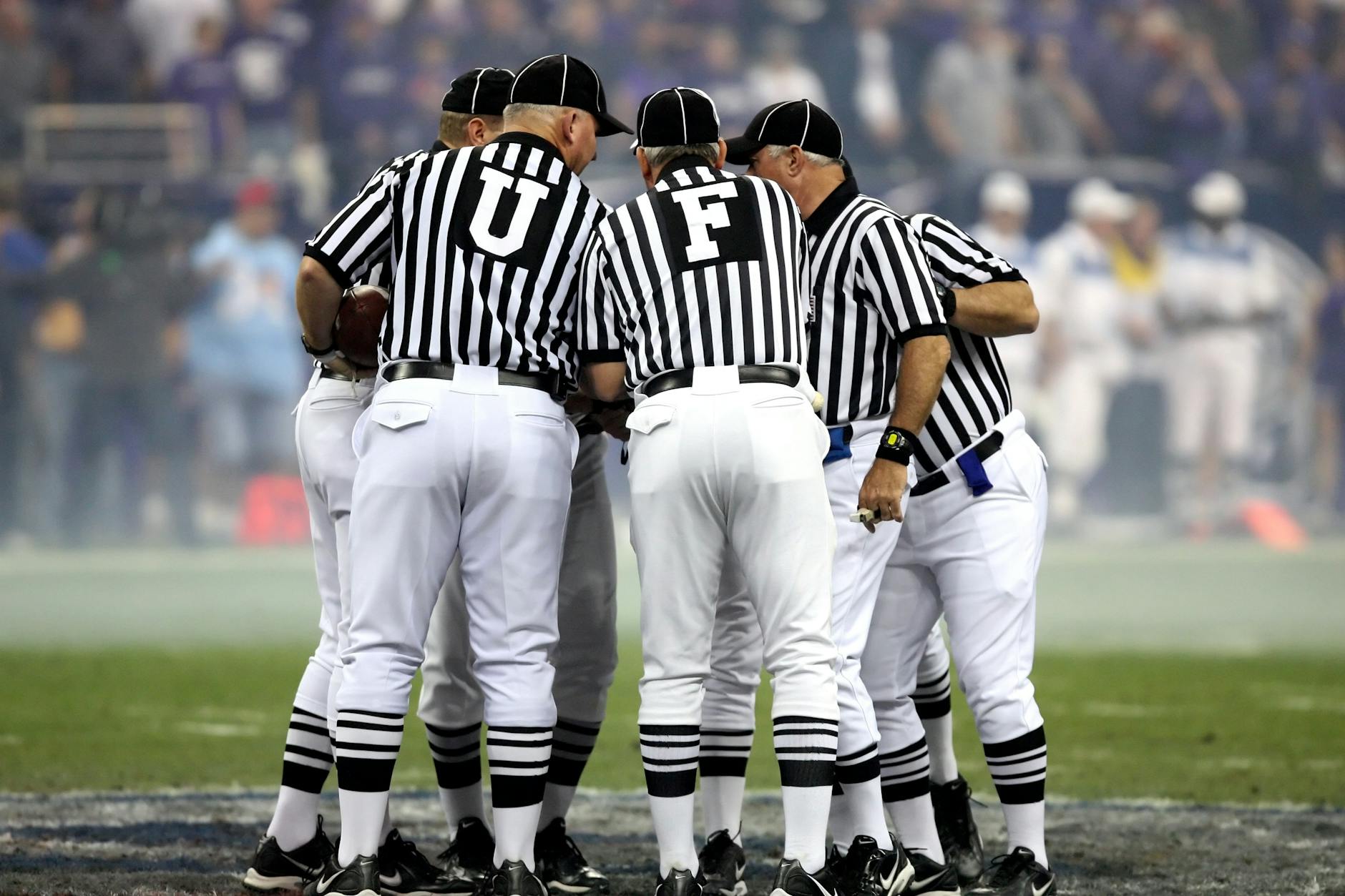
Photo by Pixabay on Pexels
Should you try following summer football transfers 2026 today?
Yes, following summer football transfers 2026 is worthwhile if you use a verification-first method and connect each move to squad needs, tactics, finances, and player development. The market is too large to follow every rumour, but the confirmed data offers meaningful clues about competitive direction. Focus on reliable updates from clubs, leagues, established media, and specialist databases rather than chasing every viral claim.
For readers who want to turn transfer information into match insight, start with a simple weekly dashboard. Track confirmed arrivals and departures, expected starting position, age, previous minutes, injury record, and tactical role. Then compare those changes with preseason formations and early competitive line-ups. A new winger who rarely receives the ball in dangerous areas may not improve an attack, while a less famous midfielder who fixes defensive transitions can transform a team.
Stadium View’s value is strongest when transfer news is connected to the FIFA World Cup 2026 conversation. The same player can be viewed as a club signing, a national-team option, or a future market asset, but those lenses must not be confused. Use match predictions as a conclusion from evidence, not as proof that a transfer is good. And, please, do not treat a single friendly match as a tactical revolution. We have all seen that movie. It ends badly.
A disciplined transfer-following routine looks like this:
- Check confirmed status and source quality.
- Note the player’s position and likely role.
- Compare recent performance data over at least one full season.
- Examine the manager’s formation and pressing style.
- Watch the first five competitive appearances.
- Reassess the move after meaningful minutes, not after one highlight clip.
The strongest conclusion from the 2026 market is not that spending guarantees success. It is that strategic fit, squad timing, and reliable information matter more than noise. [Internal Link: daily FIFA World Cup 2026 predictions and team news]
Ready to follow the window with sharper data and fewer rumours?
Summer football transfers 2026: key deals to watch
The following moves deserve attention because they represent different transfer strategies rather than simply appearing high on a fee list. Reijnders’ departure from Manchester City to Al-Qadsiah highlights the financial influence of Saudi Arabian clubs and the role of experienced midfielders in a changing market. Cherif’s move from Fenerbahce to Coventry City demonstrates how an English club can invest in a teenage forward whose value may develop over several seasons.
- Tijjani Reijnders: Manchester City to Al-Qadsiah, £52 million. The move ends a reported year-long spell at Manchester City and sends the midfielder to a Saudi club managed by Brendan Rodgers.
- Sidiki Cherif: Fenerbahce to Coventry City, £20.5 million. The teenage forward arrives after only six months in Turkey, making adaptation and playing time central questions.
- Joël Piroe: Leeds United to West Ham United. West Ham United will expect clear attacking output and improved penalty-box efficiency.
- Nico Elvedi: Borussia Mönchengladbach to Leeds United. Leeds gains defensive experience and potential flexibility across the back line.
- Zion Suzuki: Parma to Aston Villa. Aston Villa adds a goalkeeper whose distribution and shot-stopping profile will be closely examined.
- Matteo Ruggeri: Atlético Madrid to Aston Villa. The move may add left-sided depth and tactical variety.
- Rodrigo Mora: Porto to Roma. Roma’s acquisition illustrates the continued importance of Portuguese development pathways.
- Michael Aebischer: Pisa to Union Berlin. Union Berlin gains midfield experience from a player moving within the Italian and German systems.
The key is not to pretend every listed transfer has equal certainty or equal competitive importance. The fee, contract structure, medical status, registration, and expected role can all change the final evaluation. That is why our [Internal Link: confirmed transfer tracker methodology] should be treated as a process rather than a static ranking.

Photo by Franco Monsalvo on Pexels
What should fans monitor before the window closes?
Fans should monitor official confirmation, squad registration, tactical deployment, and the final financial structure of each transfer before deciding which clubs won the 2026 window. The most revealing evidence will arrive when players appear in competitive line-ups, not when executives unveil shirts. Early role changes often matter more than the number printed on a press release.
Use these signals as the window develops:
- A new player starts in the position the club originally identified as a weakness.
- The manager changes build-up, pressing, or defensive spacing to suit the arrival.
- Academy players retain a realistic route to minutes.
- The club’s wage structure remains sustainable after bonuses and renewals.
- The transfer improves depth without creating unnecessary duplication.
- The player’s performance data holds up against stronger opposition.
A useful contrarian test is to ask what happens if the new signing misses ten matches. If the squad has no alternative, the club may have bought a star but not built a resilient team. This matters especially during a season influenced by international travel, World Cup preparation, and a congested calendar. A transfer is not complete in sporting terms until the surrounding squad can absorb its risks.
The final 2026 evaluation should therefore combine confirmed numbers with observed football. The £4.7 billion headline tells us the market is enormous; the 1,041 deals tell us activity is widespread; the individual cases tell us why clubs are moving. Put those layers together, and we get a sharper picture than any rumour ranking can provide. [Internal Link: football squad-building and transfer strategy guide]
Frequently Asked Questions
Q: What are summer football transfers 2026?
A: Summer football transfers 2026 are player moves completed during the 2026 offseason transfer window across domestic and international leagues. The available European top-five-league data lists 1,041 completed deals with an approximate combined value of £4.7 billion as of 20 August 2026. The market includes permanent transfers, loans, and deals whose financial terms may contain bonuses or instalments. Always check whether a move is officially registered before treating it as final.
Q: Which leagues are included in the main 2026 transfer data?
A: The central dataset covers the Premier League, La Liga, Bundesliga, Ligue 1, and Serie A. These competitions represent England, Spain, Germany, France, and Italy, respectively, and contain many of Europe’s most influential clubs. National transfer lists also exist for leagues such as the Eredivisie, Belgian Pro League, Austrian Bundesliga, and Danish Superliga. A complete global transfer review therefore requires more than the European top-five summary.
Q: How can I verify a summer football transfer 2026 rumour?
A: Verify a rumour by checking the buying club’s official website, league registration information, and at least one established media source. Then confirm whether the move is permanent, a loan, or an option-to-buy arrangement, and separate guaranteed fees from add-ons. Social-media posts often use “done deal” loosely, so wait for formal confirmation when the information affects a prediction, fantasy team, or betting decision.
Q: What is the difference between gross spend and net spend in transfers?
A: Gross spend is the total value a club pays for incoming players, while net spend subtracts outgoing transfer income from that amount. A club can spend £150 million and still have a modest net balance if it sells several players for substantial fees. Arsenal’s reported 2026 transfer balance of approximately -£114.6 million shows why net figures may reveal financial strategy more clearly than incoming fees alone.
Q: Are summer football transfers 2026 connected to the FIFA World Cup 2026?
A: Yes, the FIFA World Cup 2026 affects transfer timing, player workload, scouting priorities, and market valuations. The tournament will be hosted in Canada, Mexico, and the United States, with Los Angeles preparing for eight matches and 39 days of fan celebrations. Clubs may recruit before the tournament to avoid inflated prices, but they should not overvalue a player based on a small number of World Cup performances.
Q: How much does it cost to follow summer football transfers 2026?
A: Following summer football transfers 2026 can be free if you use official club announcements, league websites, reputable news outlets, and public transfer databases. Premium analytics platforms may charge monthly or annual subscriptions for advanced metrics, event data, and scouting reports. Before paying, check whether the service provides guaranteed-fee breakdowns, historical player data, injury information, and timely registration updates rather than merely repeating rumours.
Q: What should I do if a reported transfer fails after an agreement?
A: Treat the move as uncompleted until the player passes the medical, signs the contract, and receives registration clearance. Transfers can fail because of medical concerns, work-permit issues, contract disputes, financing problems, or disagreements over add-ons. Remove the player from your projected line-up, record the failed deal separately, and reassess both clubs’ depth before making a match prediction or squad judgment.
The window is moving fast, but our method does not need to. Check the source, understand the role, inspect the numbers, and then make the call with your fellow transfer obsessives. That is how we avoid getting burned twice.
Stay ahead of confirmed moves, tactical changes, and World Cup 2026 analysis with Stadium View.
End of transmission.
Stadium View • Neon Protocol • System Active