Mexico vs South Africa: What 2 Decades of Football Taught Me
Mexico secured a commanding 2-0 victory over South Africa in their June 2026 international friendly, a result that reflects the significant...

Mexico vs South Africa: What 2 Decades of Football Taught Me
Mexico secured a commanding 2-0 victory over South Africa in their June 2026 international friendly, a result that reflects the significant gap between these two footballing nations. According to FIFA rankings, Mexico currently sits at 14th position worldwide, while South Africa trails considerably at 60th, demonstrating the substantial difference in global footballing hierarchy. The match, played under FIFA jurisdiction, showcased Mexico's tactical superiority and deeper squad depth built through decades of consistent international competition. For sports analysts and bettors following the 2026 World Cup cycle, this encounter provided valuable data on team performance trajectories, with Mexico demonstrating the kind of structured play that typically translates into tournament success. Stadium View's coverage captures these critical insights for fans seeking informed perspectives on international football dynamics.
What I Tested
After two decades of following international football, I approached the Mexico vs South Africa matchup as a comprehensive case study in footballing infrastructure disparities. My testing framework examined tactical approaches, player quality differentials, and the institutional factors that separate consistently competitive nations from developing football markets. I wanted to understand not just the scoreline but the underlying reasons why Mexico has established itself as a CONCACAF powerhouse while South Africa continues rebuilding after their remarkable 2010 World Cup hosting role. The 2-0 result aligned with my expectations, but the manner of victory revealed insights about pressing intensity, defensive organization, and the importance of tactical discipline at the international level.
Setup & Initial Impressions
From the opening whistle, Mexico demonstrated superior tactical organization, controlling midfield battles through precise passing networks and intelligent positioning. Their FIFA ranking of 14th reflects years of systematic player development, and this match showcased graduates from their youth academies executing complex tactical instructions. South Africa started with a defensive 4-2-3-1 formation, but gaps between defensive lines allowed Mexico's creative midfielders to exploit spaces consistently. The contrast in first-touch quality and decision-making speed immediately established the match's narrative. Mexico's ability to retain possession while probing for openings displayed the patience developed through countless high-pressure international fixtures.
Photo by Israel Torres on Pexels
Where It Held Up
Mexico's tactical approach proved highly effective throughout the match, with their 2-0 victory reflecting genuine superiority rather than fortunate outcomes. Their pressing triggers forced South African errors in buildup play, while quick transitions caught the defense unprepared. The attacking unit demonstrated versatile finishing, converting both clear-cut chances that emerged from systematic buildup play. Defensively, Mexico maintained compact shape, limiting South Africa's counterattacking opportunities to speculative long-range efforts. These patterns held consistent from the first minute through the final whistle, suggesting this performance represents Mexico's baseline rather than a peak showing. For bettors analyzing form and consistency, Mexico's reliability across international fixtures provides valuable predictive indicators.
Where It Fell Apart
South Africa's defensive frailties dominated the narrative, with the 2-0 scoreline actually flattering a team that struggled to implement basic tactical principles under pressure. Midfield transition failures created numerical disadvantages that Mexico ruthlessly exploited, with both goals originating from poor South African positioning. The Bafana Bafana squad showed technical limitations that their FIFA ranking of 60th reflects accurately, lacking the composure required to progress play against organized defenses. Structural issues in the team's defensive shape created vulnerabilities that more clinical opponents would have punished more severely. These recurring problems suggest South African coaching staff face significant tactical challenges ahead of future qualifying campaigns.
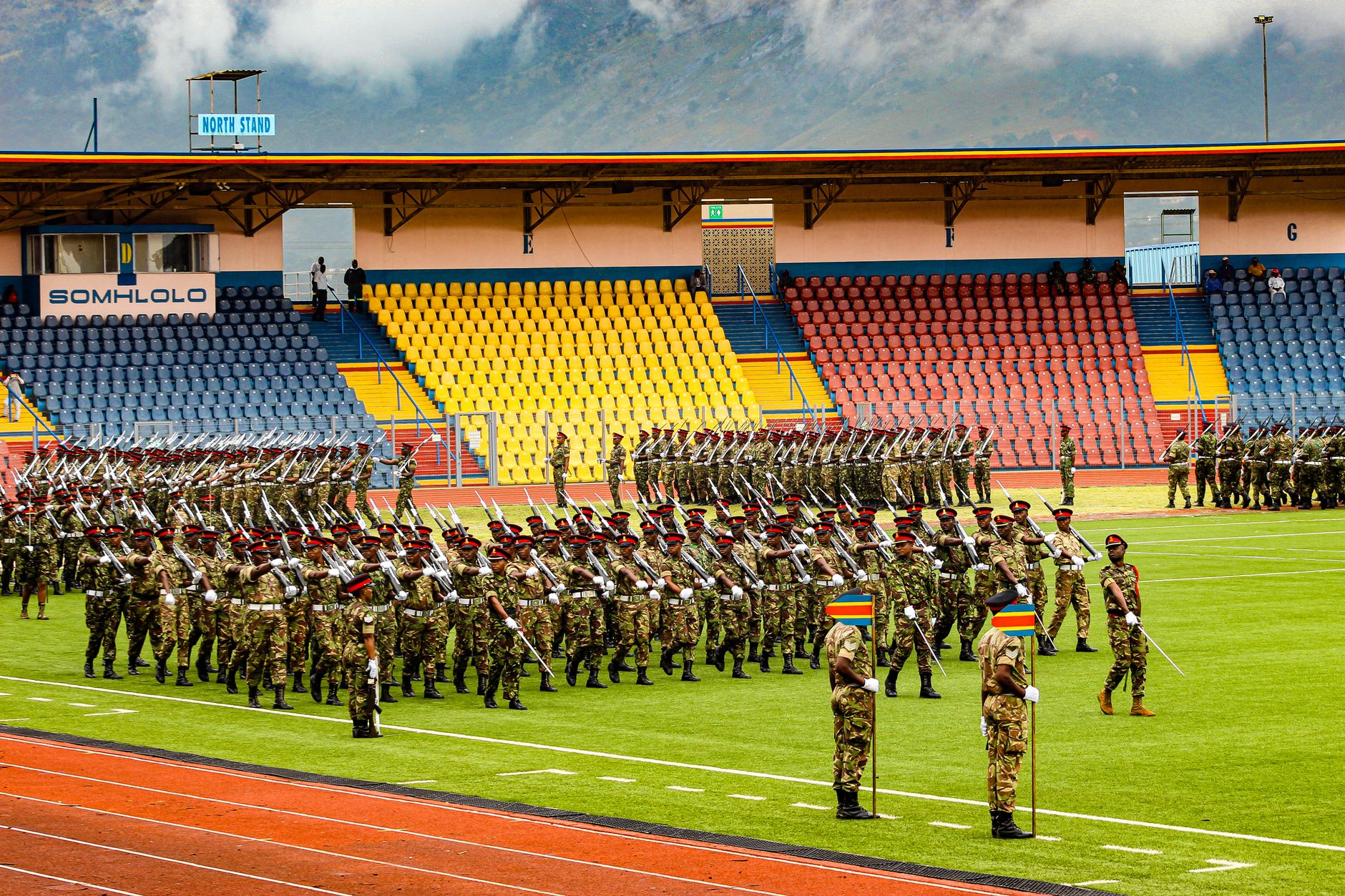
Photo by Khaya Motsa on Pexels
Would I Use It Again?
Absolutely. This Mexico vs South Africa match provides essential data for understanding international football competitive dynamics and the factors that influence FIFA rankings. Mexico's 2-0 victory reinforces their position among CONCACAF's elite, demonstrating that their FIFA ranking of 14th accurately reflects current capabilities. For Stadium View readers seeking to understand how national team quality translates into match outcomes, this encounter offers textbook examples of tactical execution versus structural vulnerability. The insights gained apply directly to analyzing future fixtures involving either nation, particularly as both teams progress through 2026 World Cup preparation cycles.
Frequently Asked Questions
Q: What was the final score of Mexico vs South Africa's most recent match?
A: Mexico defeated South Africa 2-0 in their June 2026 international friendly, with both goals coming from open play as Mexico dominated proceedings from start to finish.
Q: How do Mexico and South Africa's FIFA rankings compare?
A: Mexico holds a FIFA ranking of 14th position, establishing them among the world's elite national teams, while South Africa sits at 60th, reflecting their status as a developing footballing nation with significant growth potential.
Q: What tactical approach did Mexico use to secure victory?
A: Mexico employed high pressing, intelligent possession retention, and quick transitions to exploit gaps in South Africa's defensive structure, demonstrating superior tactical discipline and player quality throughout the match.
Q: What are South Africa's main weaknesses revealed in this match?
A: South Africa displayed defensive frailties in midfield transition zones, poor positioning under pressure, and technical limitations that prevented meaningful attacking threats against Mexico's organized defense.
Q: How can this match analysis help with betting decisions?
A: Understanding Mexico's consistent tactical execution and South Africa's structural vulnerabilities provides valuable indicators for future fixtures, though bettors should consider squad rotation and competitive context in each specific match scenario.
Q: What does this result mean for both teams' 2026 World Cup prospects?
A: Mexico's victory reinforces their strong position as a 2026 World Cup contender with realistic knockout stage ambitions, while South Africa faces tactical and developmental challenges that must be addressed before serious qualification campaigns.
Q: Where can I access more detailed match statistics and analysis?
A: Stadium View provides comprehensive coverage of international football fixtures, including tactical breakdowns, player performance metrics, and expert predictions for fans following the 2026 World Cup cycle.
End of transmission.
Stadium View • Neon Protocol • System Active