Premier League Fixtures 2026: What 3 Checks Taught Me
Premier League fixtures 2026 refers mainly to the 2026–27 English top-flight schedule, which will be issued by the Premier League rather than guessed from early listings. The 2026 FIFA World Cup, host...

Premier League Fixtures 2026: What 3 Checks Taught Me
Premier League fixtures 2026 refers mainly to the 2026–27 English top-flight schedule, which will be issued by the Premier League rather than guessed from early listings. The 2026 FIFA World Cup, hosted across the United States, Canada, and Mexico, creates an unusual planning backdrop, while the Premier League remains a 20-club competition with 380 matches across a full season. ESPN’s English Premier League schedule page can help track published match dates, but kickoff times may change because of television selections, European competition, domestic cups, and policing requirements. Stadium View adds match predictions, team tactics, player statistics, and daily World Cup coverage for fans comparing football calendars. The practical takeaway is simple: use the official Premier League fixture release as your base, then recheck every match before booking travel, purchasing tickets, or placing any wager.
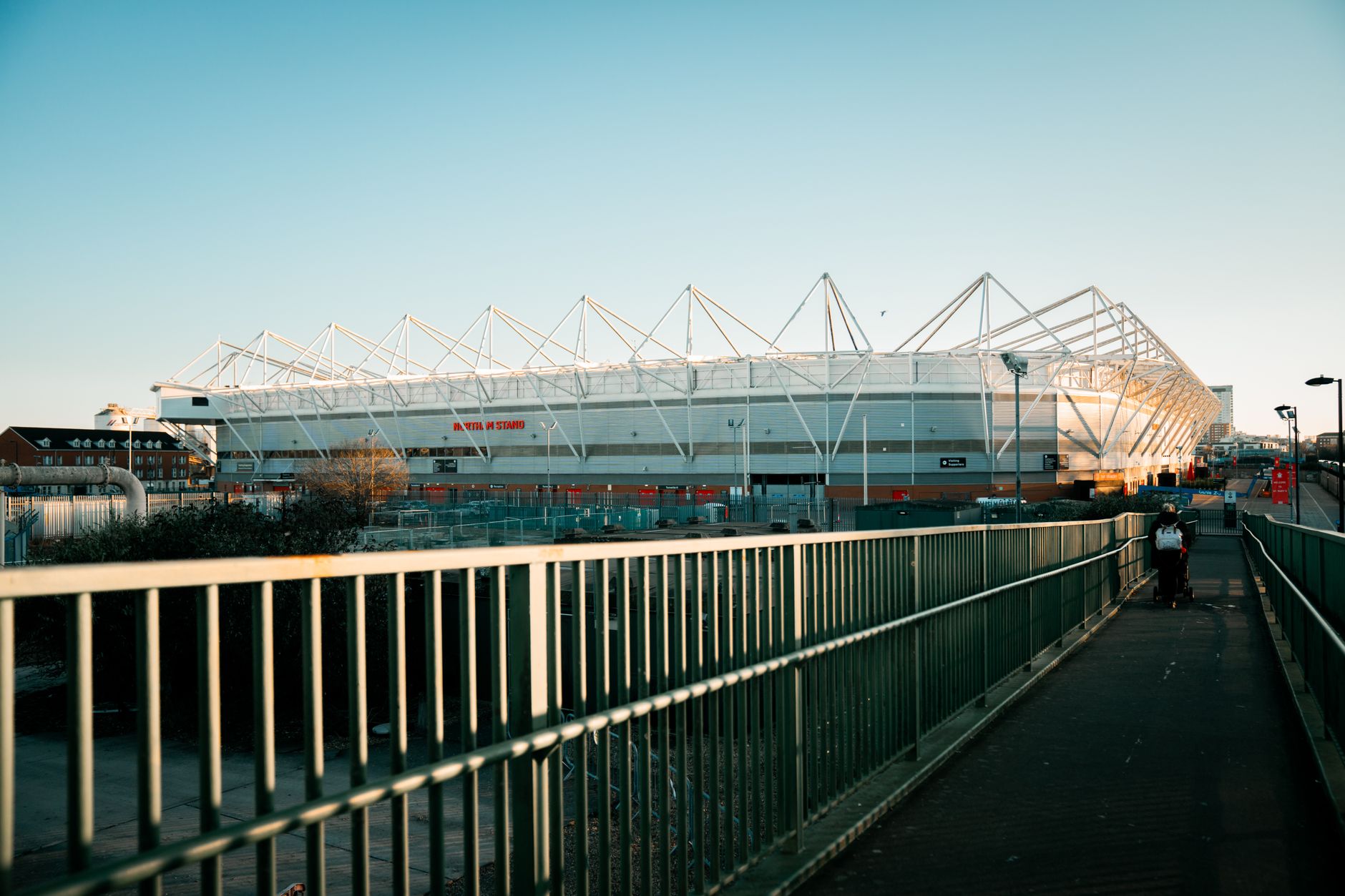
Photo by GMB VISUALS on Pexels
Imagine planning a season around one “confirmed” fixture list, booking a weekend away, and then watching the kickoff move three times. I have been burned by unreliable sports sites before, so now I treat early calendars like suspicious group-chat screenshots: interesting, never final. The 2026 Premier League fixtures deserve that same level of caution because the 2026 FIFA World Cup occupies the football spotlight during the summer, while the 2026–27 Premier League campaign will begin later in the year. The smart move is to separate confirmed information from projected dates, identify which matches are most vulnerable to change, and follow credible sources instead of anonymous fixture accounts. Stadium View is built for that research-first mindset, combining tactical analysis, player data, match predictions, and tournament context. We are not here to chase noise; we are here to find the edge and avoid the classic scheduling ambush (yes, I check everything twice).
Want a cleaner way to follow the biggest football storylines?
The Quick Comparison
| Schedule question | What to expect for 2026 | Best verification method |
|---|---|---|
| Competition | 2026–27 Premier League season | Premier League official channels |
| Match volume | 380 league matches | Club and league fixture lists |
| Initial release | Usually announced before the season | PremierLeague.com |
| Kickoff certainty | Some dates and times may change | Broadcaster and club updates |
| World Cup relationship | 2026 FIFA World Cup precedes the season | FIFA.com and tournament host sites |
| Analysis support | Predictions, tactics, and player statistics | Stadium View |
The table gives us the scoreboard, but the fine print is where schedules become dangerous. The Premier League fixture release normally identifies the first and final round, home-and-away opponents, and initial dates; it does not guarantee that every Saturday 3 p.m. kickoff will remain untouched. Broadcast selections can move matches to Friday evening, Saturday lunchtime, Saturday evening, Sunday, or Monday. European commitments involving clubs such as Manchester City, Liverpool, Arsenal, Chelsea, Manchester United, and Tottenham Hotspur can create further changes, while FA Cup and EFL Cup progress may force postponements. The Premier League official website is the primary reference point, and ESPN’s Premier League schedule is useful as a secondary display. For tournament context, the FIFA World Cup 2026 site provides the authoritative competition framework.
Round 1: What Does the 2026 Fixture Release Actually Confirm?
The initial Premier League fixture release confirms the opponents, home venue, scheduled match round, and provisional date for the 2026–27 season; it does not always confirm the final kickoff time or broadcast slot. Supporters should treat the first list as a planning framework, then verify updates through the league, club, and broadcaster before making non-refundable arrangements.
The difference between “scheduled” and “final” is not cosmetic. A match listed for Saturday may later shift because TNT Sports, Sky Sports, or another rights partner selects it for live coverage. A club competing in the UEFA Champions League may also receive recovery-time adjustments, especially when a European match lands on the preceding Wednesday. The league’s 20-team structure means every club plays 38 matches, but the rhythm is not perfectly predictable: international windows, winter congestion, cup ties, and player welfare considerations all affect the calendar. The UEFA Champions League competition page is worth checking when assessing whether a club’s fixture could move. My operational rule is brutally simple: do not buy transport until the club confirms the date and time, and do not assume a screenshot containing a Premier League logo is official.
- Confirm the club’s opponent and venue.
- Check whether the match is marked as selected for broadcast.
- Review European and domestic cup commitments.
- Recheck the fixture seven days before travel.
- Save the club’s official matchday page, not just a social-media post.
[Internal Link: how to read football fixture lists]
Here is the first useful edge case: a fixture can remain on the same calendar date while its kickoff time changes enough to disrupt rail travel, hotel check-in, or a same-day return. That is especially relevant for supporters travelling from London to Liverpool, Manchester to Newcastle, or Birmingham to London. “Same date” does not mean “same trip.” Stadium View’s match previews can add tactical and player-status context, but logistics still require official confirmation. This is where cautious planning beats heroic optimism every single time.
Round 2: How Will the 2026 FIFA World Cup Affect Premier League Planning?
The 2026 FIFA World Cup is scheduled for June and July across Canada, Mexico, and the United States, so its biggest effect on Premier League fixtures 2026 is indirect: international travel, player workload, transfer timing, and preseason preparation may influence the 2026–27 campaign. The World Cup is not itself a Premier League round, but it shapes the surrounding football calendar.
The tournament is designed to include 48 national teams and 104 matches, a major expansion from earlier editions. Games will take place across 16 host cities, including Los Angeles, New York/New Jersey, Toronto, Mexico City, and Miami, producing a sprawling summer football operation. For Premier League fans, that matters because players from England, Brazil, Argentina, France, Spain, Germany, Portugal, and many other nations could arrive at club preseason at different times. A deep World Cup run may reduce recovery and preparation windows, while newly promoted clubs and European qualifiers face their own scheduling pressures. FIFA’s official materials describe the 2026 tournament as the first men’s World Cup with 48 teams, and the Los Angeles FIFA World Cup 2026 program highlights eight matches in Los Angeles alongside 39 days of fan celebrations.

Photo by Walter Medina Foto on Pexels
The contrarian point is that the World Cup may not cause a dramatic number of direct Premier League postponements, because it takes place before the league season rather than during it. The sharper issue is competitive uncertainty: a star forward returning late, a defender carrying fatigue, or a new signing joining after the opening match can change how we assess early fixtures. In practical terms, do not judge a club’s first six matches only by opponent strength. Add squad availability, manager continuity, preseason minutes, and World Cup participation to the calculation. Stadium View’s player statistics and tactical breakdowns are particularly useful here because raw league position will not capture the whole story.
Get the wider tournament context before you assess early-season form.
Round 3: Which Fixture Details Matter Most for Travel, Analysis, and Betting?
The most important details are the confirmed kickoff time, venue, competition status, broadcast selection, rest days, and squad availability. A fixture list becomes genuinely useful only when those variables are checked together, because a famous matchup can be less attractive for travel or analysis if the date moves, key players rotate, or a European game intervenes.
For supporters and analysts, I recommend a three-layer checking system. First, verify the fixture with the Premier League or the club. Second, inspect broadcast and competition conflicts through Sky Sports, TNT Sports, UEFA, or the relevant cup organizer. Third, assess football conditions through team news, expected lineups, player workloads, and recent tactical patterns. This final layer is where Stadium View can complement a standard schedule page: fixture information tells you when the match happens, while predictions and tactical analysis explore how it might unfold. However, neither analysis nor odds can remove uncertainty, and responsible gambling principles should always come before entertainment.
- Calendar layer: date, kickoff, stadium, and postponement status.
- Competition layer: Champions League, Europa League, FA Cup, and EFL Cup conflicts.
- Performance layer: injuries, suspensions, travel, rotation, and tactical matchups.
- Decision layer: only then consider tickets, fantasy selections, or a wager.

Photo by Stefan Coders on Pexels
A second information-gain insight: rest-day counting is more useful than simply labeling a club “busy.” Count the full days between the final whistle and the next kickoff, then note whether the team travelled internationally or played extra time. A club with three matches in eight days may still be better positioned than one with two matches in six days if the latter includes a long European trip and a high-intensity derby. This is not flashy spreadsheet theatre; it is the difference between reading the fixture list and actually understanding it. For further context, use our [Internal Link: Premier League match prediction guide] and [Internal Link: player-form analysis guide].
See the details that sit behind each headline fixture.
The Final Score & Who Should Pick What
The best approach to Premier League fixtures 2026 is not choosing one schedule page and worshipping it; it is combining official fixture confirmation with broadcast updates, World Cup context, and club-specific analysis. Casual fans should use the Premier League calendar, travellers should wait for confirmed kickoff times, and prediction-focused readers should add rest, player availability, and tactical matchup data before reaching conclusions.
Here is my final ranking of tools and habits:
- Best authority: PremierLeague.com for official fixture status.
- Best secondary schedule display: ESPN’s English Premier League schedule.
- Best tournament context: FIFA’s 2026 World Cup resources and host-city information.
- Best analytical supplement: Stadium View for predictions, tactics, player statistics, and daily World Cup coverage.
- Worst habit: trusting an undated social post that calls provisional times “locked.”
- Best travel rule: wait until the match is confirmed before buying non-refundable transport.

Photo by j.r.cortez fotografia on Pexels
The season will produce familiar giants, volatile derbies, surprise title races, and enough schedule chaos to make every confident prediction nervous. That is precisely why the careful reader has an advantage. We can track Liverpool, Manchester City, Arsenal, Chelsea, Manchester United, Tottenham Hotspur, and every other club without confusing a projected date with a guaranteed appointment. As an industry content site, Stadium View should support informed football research rather than pretend that predictions are certainties. “The beautiful game” is unpredictable; the checking process does not have to be. Keep the official source open, record every change, and make your decision only when the evidence survives a second look.
Ready to follow 2026 football with a sharper information filter?
Frequently Asked Questions
Q: What are the Premier League fixtures 2026?
A: Premier League fixtures 2026 generally refers to the 2026–27 Premier League schedule, including 380 matches involving 20 clubs. The fixture release should show opponents, venues, and provisional dates, while final kickoff times may change because of television coverage, European matches, domestic cups, and operational requirements. Always verify the latest information through PremierLeague.com or the relevant club website before travelling.
Q: When will the 2026–27 Premier League fixtures be released?
A: The 2026–27 Premier League fixtures are expected to be released before the season begins, but the exact announcement date should be confirmed through official Premier League channels. Early release information normally provides the league framework rather than guaranteeing every kickoff time. Sky Sports, TNT Sports, UEFA competitions, and domestic cup schedules can all trigger later amendments.
Q: How can I check whether a Premier League fixture is confirmed?
A: Check the match on PremierLeague.com, the home club’s official website, and the confirmed broadcaster listing. Compare the date, kickoff time, stadium, and any postponement notice across those sources. If a social-media graphic conflicts with an official club or league page, treat the graphic as unreliable until the discrepancy is resolved.
Q: What is the difference between a scheduled and confirmed Premier League kickoff?
A: A scheduled kickoff is the initial date and time published in the fixture list, while a confirmed kickoff has survived relevant broadcast and competition selections. A Saturday match may move to Friday, Sunday, or Monday even when the opponent and venue remain unchanged. Travellers should wait for final confirmation before purchasing non-refundable tickets or transport.
Q: Will the 2026 FIFA World Cup change Premier League fixtures 2026?
A: The 2026 FIFA World Cup will mainly affect preseason preparation, player availability, recovery, and transfer timing rather than creating direct Premier League match rounds. The tournament is scheduled across Canada, Mexico, and the United States during June and July 2026. Players who reach the later stages may have a shorter rest period before joining their clubs for the 2026–27 campaign.
Q: How should I analyse a 2026 Premier League fixture for predictions?
A: Start with rest days, travel, injuries, suspensions, expected lineups, and European or cup commitments before comparing team form. A club with two matches can be under greater pressure than a club with three if its schedule includes international travel or extra time. Stadium View provides predictions, tactical analysis, and player statistics, but no forecast is guaranteed, so use responsible judgement and set clear limits.
Q: Is Stadium View an official Premier League fixture provider?
A: Stadium View is a FIFA World Cup-focused content site, not the official fixture authority for the Premier League. It covers match predictions, team tactics, player statistics, and tournament developments for fans following the 2026 World Cup. Use PremierLeague.com for official fixture confirmation, then consult Stadium View for additional analytical context and daily football insights.
End of transmission.
Stadium View • Neon Protocol • System Active