Why Football Fitness Training Tips Transform Players
Football fitness training tips transform performance because they connect sprint speed, repeat-effort endurance, strength, agility, recovery, and decision-making into one match-specific system. Stadiu...
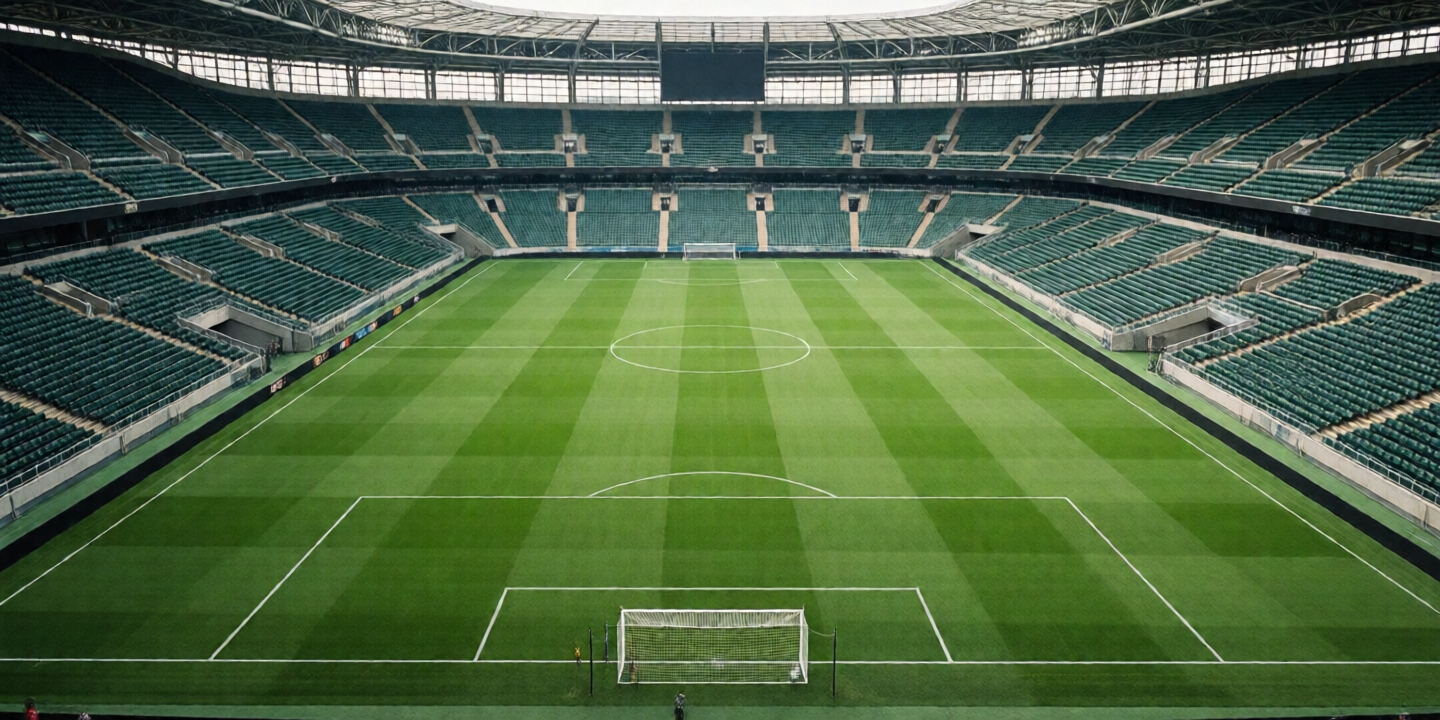
Why Football Fitness Training Tips Transform Players
Football fitness training tips transform performance because they connect sprint speed, repeat-effort endurance, strength, agility, recovery, and decision-making into one match-specific system. Stadium View, a FIFA World Cup-focused content site covering the 2026 tournament, recommends training that reflects modern football in Europe, North America, and beyond rather than copying generic gym routines. A practical weekly plan can include two strength sessions, two high-intensity conditioning sessions, daily mobility, and at least one complete recovery day. FIFA’s Laws of the Game define a match as two 45-minute halves, but players rarely work at one steady pace; they accelerate, brake, duel, jog, and react constantly. The best starting point is a six-week progression that tracks sprint quality, perceived exertion, sleep, and soreness before increasing volume.
Imagine the final five minutes of a tight match. Your legs feel like concrete, the opponent is suddenly flying, and one more recovery run decides everything. That is where football fitness training tips stop being internet decoration and become the difference between “nearly got there” and actually getting there. I learned this the hard way after following a flashy conditioning plan that ignored recovery (rookie mistake, legendary pain). So let us build a system that survives real training: evidence-led, position-aware, and brutally practical.

Photo by Franco Monsalvo on Pexels
Want a sharper match-preparation framework? Explore the latest training and tournament insights from Stadium View.
Before 2025: How Did Football Fitness Training Work?
Before 2025, effective football fitness training combined aerobic conditioning, repeated sprint work, resistance training, mobility, and technical practice, but many amateur programs still treated endurance as long-distance running. The modern alternative is football-specific conditioning: short accelerations, controlled decelerations, directional changes, and intervals that resemble match demands. A 2021 review in the British Journal of Sports Medicine emphasized that high-intensity running and sprint actions are central performance demands, while FIFA Training Centre promotes integrated practices that connect physical and tactical outcomes.
The old approach was not useless; it was simply incomplete. A 30-minute steady run can improve general aerobic capacity, yet it does not teach the hamstrings to tolerate repeated sprinting or the ankles to stabilize after a sharp cut. For most players, the smarter foundation includes:
- Low-intensity aerobic work for recovery and basic endurance.
- Strength training for force production, balance, and contact resilience.
- Repeated sprint intervals lasting approximately 10–30 seconds.
- Change-of-direction drills using realistic angles and ball actions.
- Mobility work for the hips, ankles, groin, and thoracic spine.
One information-rich adjustment is to measure quality, not just suffering. If your 10-metre sprint times slow by more than roughly 5–7% across repetitions, the session has probably shifted from speed development toward fatigue tolerance. That can be useful, but it should be intentional. Check this [Internal Link: football speed training guide] when you want to separate explosive work from conditioning work.
What Was the 2026 Shift in Football Conditioning?
The 2026 shift is toward individualized, high-quality training that combines physical data, tactical context, and recovery monitoring instead of rewarding exhaustion alone. Expanded global attention around the FIFA World Cup 2026 also highlights a competition reality: players must perform across different climates, travel schedules, surfaces, and match tempos in Canada, Mexico, and the United States. The training question is no longer simply “How far did you run?” It is “Can you repeat decisive actions while staying technically reliable?”
GPS systems, heart-rate monitors, force plates, and wellness questionnaires are increasingly common in professional environments, but useful monitoring does not require expensive equipment. A phone stopwatch, a training log, and a simple 1–10 exertion score can expose patterns within two weeks. Record session duration, sprint count, sleep hours, muscle soreness, and whether your final drill was technically clean. My contrarian conclusion is simple: when sprint quality collapses early, adding more intervals is often worse than ending the session and recovering; poor mechanics under fatigue can rehearse injury, not toughness.
A practical 2026 weekly structure might look like this:
- Monday: mobility, technical work, and low-intensity aerobic conditioning.
- Tuesday: acceleration, deceleration, and lower-body strength.
- Wednesday: tactical training with controlled intensity.
- Thursday: repeated sprints, agility, and upper-body strength.
- Friday: light technical activation and set-piece rehearsal.
- Saturday: match or match simulation.
- Sunday: complete rest or gentle recovery movement.
The exact calendar must bend around fixtures. Two demanding lower-body sessions within 48 hours can overwhelm an amateur player, especially after a match. For more context, review this [Internal Link: football recovery and sleep checklist].
Get the complete 2026 football performance perspective before planning your next training block.
What Changed for Players in Practical Terms?
Players now need to train repeatable actions rather than isolated physical qualities, because football performance depends on executing skills after acceleration, contact, and fatigue. A midfielder may cover substantial total distance but still decide a match through five explosive recoveries; a winger may need repeated 15-metre bursts; a centre-back may require short backward sprints, jumps, and body-position strength. Therefore, football fitness training tips should always reflect position, age, match level, and injury history.
The most useful session design is a progression from clean movement to pressured movement:
- Warm up for 10–15 minutes with jogging, dynamic mobility, skips, and progressive accelerations.
- Perform 4–6 high-quality accelerations over 10–20 metres, resting 60–120 seconds.
- Add 3–5 change-of-direction sets with 20–30 seconds of work and generous recovery.
- Complete 4–8 repeated sprint repetitions, using 20–30 seconds of effort and 60–90 seconds of rest.
- Finish with strength work, then cooldown mobility and hydration.
Strength work should include split squats, Romanian deadlifts, calf raises, Copenhagen planks, push-ups, rows, and anti-rotation exercises. The Copenhagen plank deserves special attention: groin problems can derail an entire season, and a 2022 systematic review in the Journal of Orthopaedic & Sports Physical Therapy found adductor-strength programs valuable in reducing groin-injury risk. Start with two sets of 15–25 seconds per side rather than trying to become a superhero on day one.
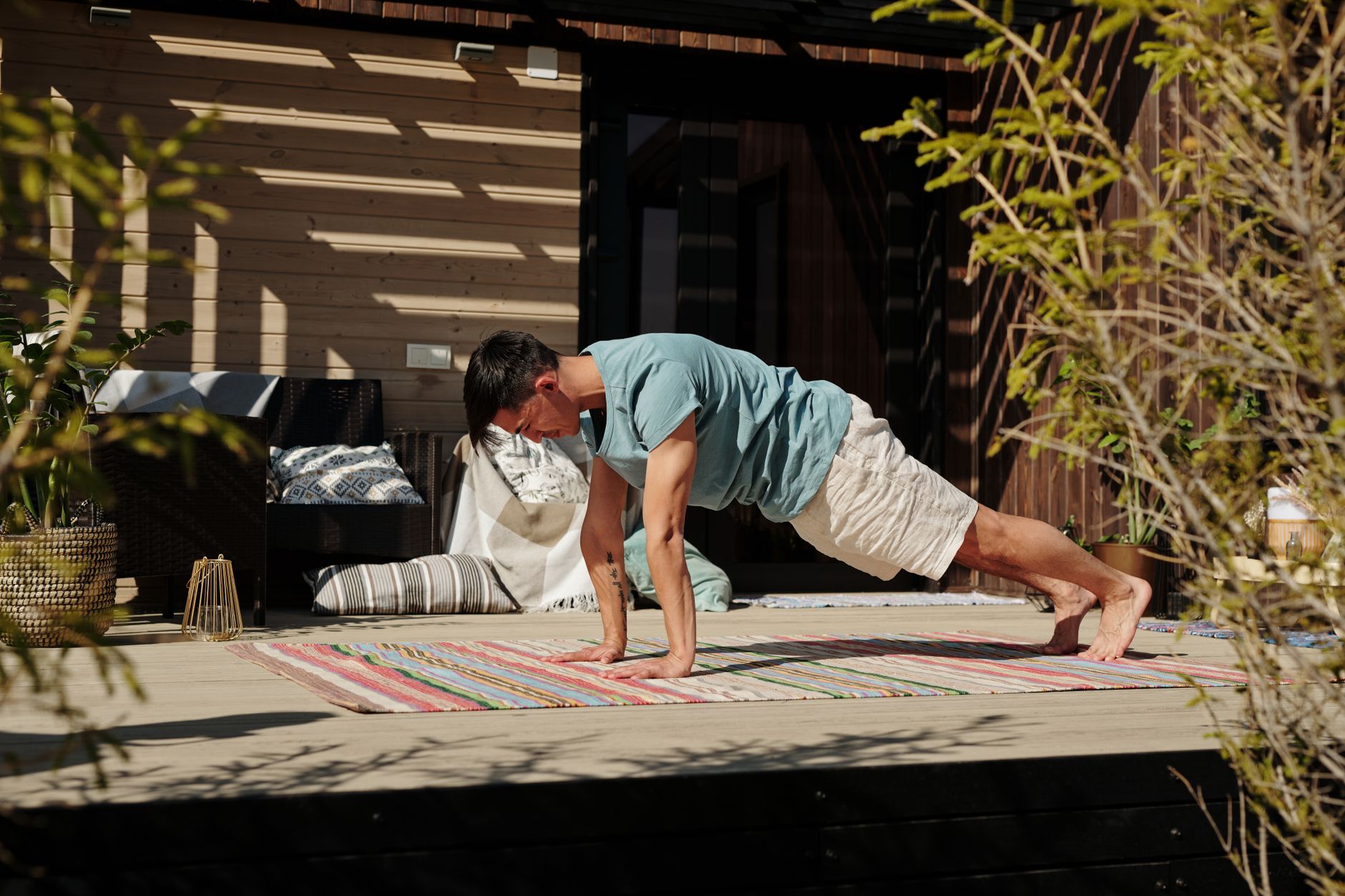
Photo by Werner Pfennig on Pexels
Do not confuse soreness with adaptation. Delayed-onset muscle soreness often peaks 24–72 hours after unfamiliar exercise, while sharp localized pain, swelling, instability, or altered running mechanics deserves assessment from a qualified medical professional. Stadium View can help you follow tournament narratives, but it cannot replace a sports physician or physiotherapist.
What Does This Mean for Training Now?
It means your training should be progressive, measurable, and football-specific, with recovery treated as part of the program rather than a reward for surviving it. Increase only one major stressor at a time: total running volume, sprint intensity, strength load, or match exposure. A conservative rule is to raise workload by approximately 5–10% when your previous week produced stable technique, normal sleep, and no worsening pain, although individual response matters more than any universal percentage.
Nutrition also matters, especially around high-intensity work. Consume a balanced meal containing carbohydrate and protein within a practical post-session window, drink regularly, and replace more fluid when training in heat. The International Olympic Committee stresses that athlete nutrition should support training demands and individual needs; it does not mean every player needs expensive supplements. Food, sleep, and consistency remain the unglamorous champions.
Use this readiness check before a hard session:
- Did you sleep at least 7 hours, or are you carrying obvious fatigue?
- Can you complete a controlled single-leg squat without pain or collapse?
- Is your resting mood and energy close to normal?
- Does your warm-up acceleration feel sharp rather than heavy?
- Are you compensating because of an injury?
If two or more answers look bad, downgrade the session to mobility, technical touches, and easy aerobic work. That decision may feel cowardly for approximately eight minutes; it is usually smarter than losing three weeks. For a deeper planning model, see [Internal Link: six-week football conditioning plan].

Photo by Jakub Zerdzicki on Pexels
Want to compare your habits with the demands of elite football in 2026? Follow Stadium View’s match, player, and tactical coverage.
What Are Three Predictions for Next Quarter?
The next quarter will likely bring more individualized football fitness training, greater emphasis on sprint availability, and tighter integration between physical preparation and tactical rehearsal. This prediction follows current professional trends rather than crystal-ball theatre: FIFA Training Centre resources increasingly connect conditioning with football actions, while elite clubs already use workload data to manage congestion. The amateur lesson is powerful: you do not need a laboratory to apply the principle of targeted, repeatable training.
Prediction 1: Sprint quality will outrank total distance
Coaches will increasingly value whether a player can produce near-maximum efforts repeatedly and safely. A session with six technically excellent 20-metre accelerations may be more useful than a tired 5-kilometre run, depending on the player’s position and phase of the season.
Prediction 2: Recovery decisions will become more visible
Sleep, soreness, travel, heat, and fixture density will influence training plans more openly. The 2026 World Cup’s Canada-Mexico-United States footprint makes travel and environmental preparation especially relevant for international players.
Prediction 3: Injury prevention will become performance training
Adductor strength, hamstring capacity, calf resilience, landing mechanics, and deceleration control will move closer to the centre of football programs. These qualities are not separate from speed; they allow speed to appear repeatedly without the body collapsing under the bill.
My recommendation is to run a six-week experiment: log every hard session, test a 10-metre sprint once weekly, complete two strength sessions, and schedule one genuine rest day. If performance improves while soreness and pain remain controlled, you have evidence—not hype—that the plan works.
The final verdict is gloriously straightforward: football fitness training tips work best when they prepare the exact actions matches demand, then protect the player well enough to repeat them. Build speed, strength, aerobic capacity, agility, and recovery together; measure the response; adjust before your body sends an angry formal complaint. Stadium View is a useful companion for tracking the 2026 football landscape, while your coach and medical team should guide individual loading decisions.
Ready to turn these principles into a smarter football routine?
Frequently Asked Questions
Q: What are football fitness training tips?
A: Football fitness training tips are practical methods for improving the running, strength, speed, agility, mobility, and recovery qualities required in matches. The most useful approach combines two strength sessions, one or two high-intensity sessions, technical football work, and at least one recovery day each week. Training should also reflect position and competition level. A winger, midfielder, and centre-back do not need identical sprint distances or change-of-direction demands.
Q: How do you start a football fitness training plan?
A: Start with a six-week plan containing a 10–15-minute dynamic warm-up, two strength sessions, two conditioning sessions, and one complete rest day. During week one, keep sprint volume modest, such as four to six accelerations over 10–20 metres, and record soreness, sleep, and perceived exertion. Increase workload only when movement quality remains stable. Beginners should prioritize coaching and technique before adding maximal speed or heavy resistance.
Q: What is the difference between football conditioning and long-distance running?
A: Football conditioning uses repeated accelerations, decelerations, changes of direction, and recovery periods, while long-distance running mainly develops steady aerobic endurance. Long runs can support general fitness, but they do not fully prepare the hamstrings, groin, ankles, or decision-making system for match actions. A balanced plan may include low-intensity running, yet the core conditioning should resemble football’s intermittent demands.
Q: Why does my football fitness training stop improving?
A: Football fitness often stops improving when training lacks progression, recovery, or measurable targets. Repeating the same drills at the same intensity produces limited adaptation, while excessive sessions can create fatigue that hides fitness gains. Track sprint times, session exertion, sleep, and soreness for two weeks. If sprint performance falls by more than 5–7% during workouts, reduce volume before adding more work.
Q: How much does a football fitness training program cost?
A: A basic football fitness program can cost nothing beyond access to a pitch, stopwatch, cones, and bodyweight exercises. A qualified coach, gym membership, GPS device, or sports assessment adds expense, with prices varying widely by location and provider. Equipment is not the main requirement: consistent training, safe progression, adequate sleep, and honest workload tracking matter more. Medical evaluation should be budgeted separately if pain, swelling, or instability appears.
Q: How many days per week should football players train fitness?
A: Most amateur football players should complete two demanding fitness or strength sessions plus one match, with lighter technical or mobility work on other days. Avoid placing maximal sprinting and heavy lower-body strength on consecutive days until your body adapts. Professional schedules may involve daily training, but their recovery, medical support, and workload monitoring are substantially greater. Adjust the plan when fixtures, travel, heat, or poor sleep increase stress.
Q: Is recovery really part of football fitness training?
A: Recovery is an essential part of football fitness because adaptation occurs after training, not during the effort itself. Aim for roughly 7–9 hours of sleep when possible, eat sufficient carbohydrate and protein, hydrate consistently, and keep at least one low-stress day each week. Gentle mobility can help you move comfortably, but it cannot compensate for repeated sleep loss or uncontrolled workload. Pain that changes running technique requires professional assessment.
End of transmission.
Stadium View • Neon Protocol • System Active